Transforming Public Spaces with Intelligent Mobile Infrastructure
Large-scale public environments such as parks, music festivals, outdoor exhibitions, and national recreational areas require a unique combination of:
- Flexible lighting systems
- Crowd safety management tools
- Real-time information communication
- Low-noise, environmentally friendly equipment
Traditional fixed infrastructure often lacks the flexibility needed for temporary events or seasonal visitor surges. As a result, cities and event organizers are increasingly adopting mobile, solar-powered intelligent systems to support modern public space management.
Core Challenge in Events and Park Management
Public spaces face several operational constraints:
- Rapid changes in crowd density
- Temporary event layouts requiring fast deployment
- Strict environmental and noise regulations
- Limited access to grid power in natural parks
- Safety risks during nighttime operations
These conditions require equipment that is mobile, autonomous, and multi-functional.
Integrated Solution Framework for Events & Parks
A modern event and park management system integrates multiple intelligent devices into a unified operational network:
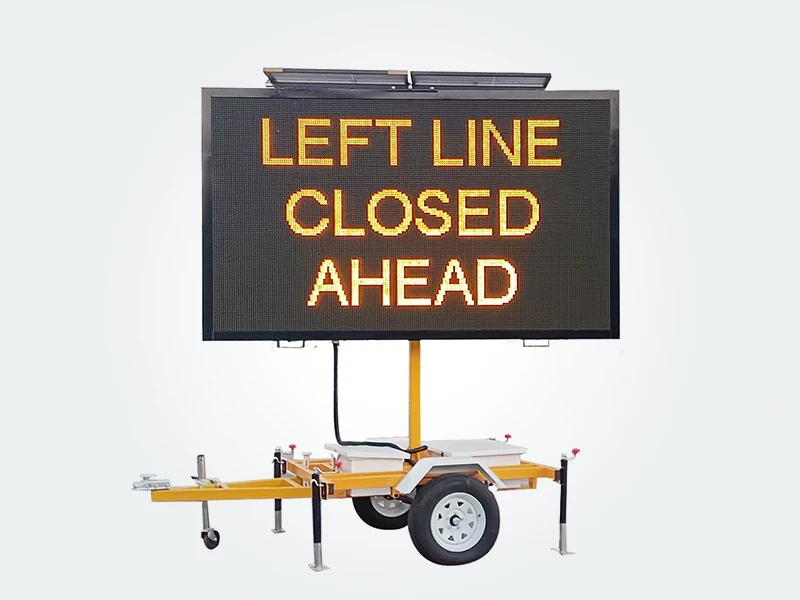
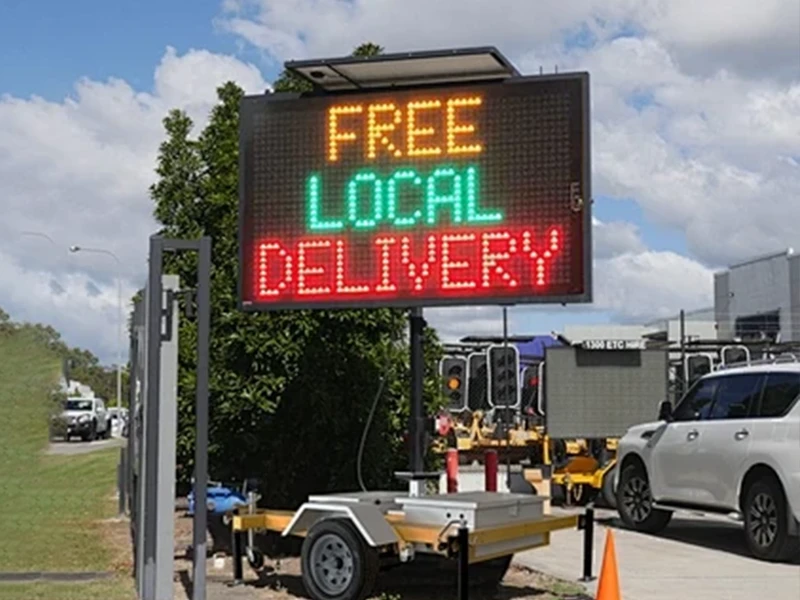
- Variable Message Sign (VMS)
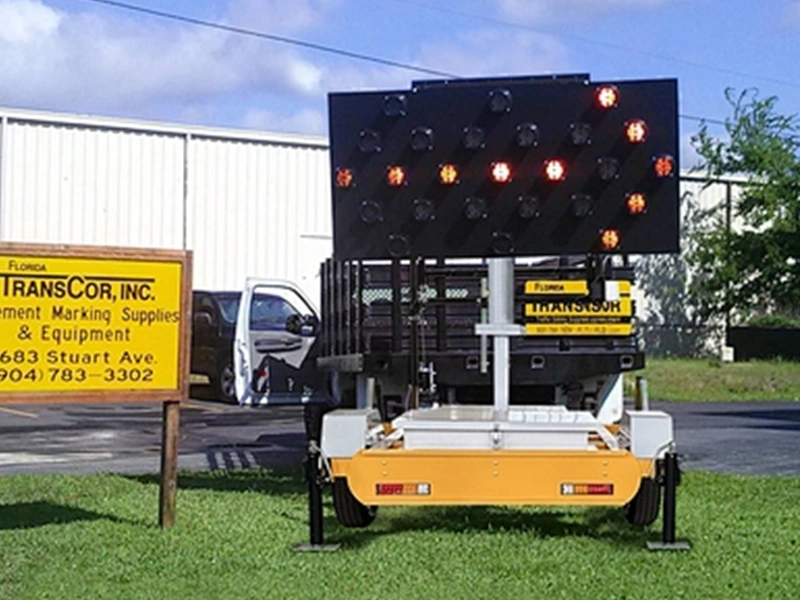
- Arrow Board
- Solar Light Tower
- Solar Surveillance Trailer
- Solar Power Trailer
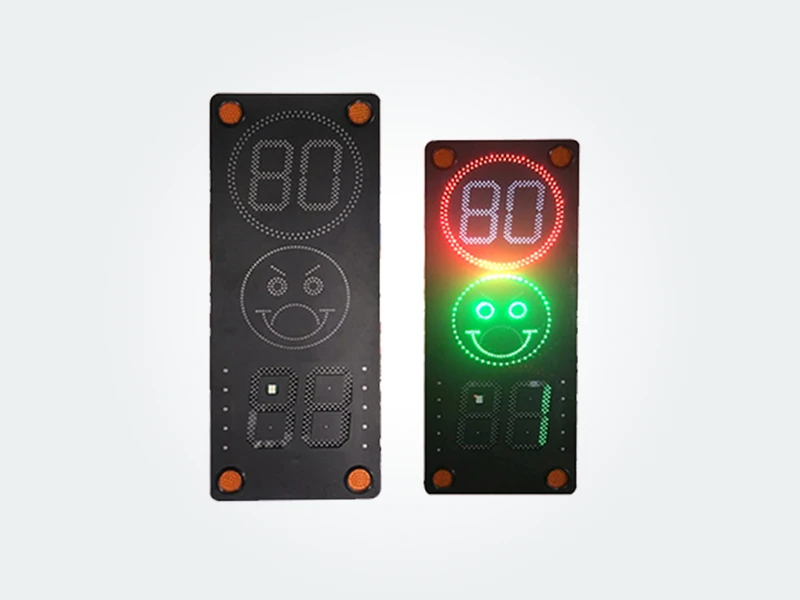
- Radar Speed Sign
This combination creates a full-cycle public space safety and communication system.
1. Visitor Guidance and Information Communication System
Efficient crowd management starts with clear and dynamic information delivery.
Variable Message Sign (VMS) Applications
- Festival entrance guidance
- Parking direction updates
- Crowd flow instructions
- Emergency announcements
- Event schedule changes
Arrow Board Applications
- Temporary lane direction control
- Parking zone guidance
- Entry/exit route management
Together, these systems improve visitor navigation efficiency and reduce congestion risks.
2. Solar Lighting Systems for Safe Nighttime Environments
Public events and parks require reliable lighting that does not disturb the natural environment.
Solar Light Tower Applications
- Park pathway illumination
- Outdoor concert lighting support
- Festival venue lighting
- Emergency night-time visibility
Key benefits:
- Silent operation suitable for public areas
- No fuel consumption or emissions
- Flexible relocation based on event layout
- Safe illumination for large pedestrian zones
3. Security Monitoring for Crowd Safety
Large gatherings require continuous situational awareness.
Solar Surveillance Trailer Functions
- Crowd density monitoring
- Entrance/exit surveillance
- Lost-and-found safety tracking support
- Real-time incident detection
This provides a mobile security layer that can be positioned anywhere in the venue.
4. Off-Grid Energy Support for Temporary Installations
Many events and park zones lack stable electrical infrastructure.
Solar Power Trailer Applications
- Temporary stage power supply
- Lighting system energy backup
- Surveillance system power support
- Remote vendor booth electricity supply
Advantages include:
- No dependency on external grid connection
- Reduced generator noise in public spaces
- Fast deployment and relocation
5. Safety Monitoring for Pedestrian and Vehicle Interaction Zones
In mixed-use environments such as park entrances or service roads, controlling speed is critical.
Radar Speed Sign Applications
- Vehicle speed feedback in park access roads
- Safety alerts in pedestrian-heavy areas
- Event traffic calming control
- Parking lot speed monitoring
This improves visitor safety and reduces accident risks.
6. System Integration for Smart Public Space Management
Instead of deploying standalone devices, modern event and park management benefits from a layered system approach:
Layer 1: Information Communication
- VMS
- Arrow Boards
Layer 2: Environmental Lighting
- Solar Light Towers
Layer 3: Safety Monitoring
- Solar Surveillance Trailers
Layer 4: Energy Support
- Solar Power Trailers
Layer 5: Traffic Safety Feedback
- Radar Speed Signs
This structure enables coordinated control of movement, safety, visibility, and energy supply.
Application Scenarios in Events & Parks
Music Festivals and Large Outdoor Events
- Crowd direction guidance
- Stage area lighting
- Security monitoring of entrances/exits
Municipal Parks and Scenic Areas
- Night pathway illumination
- Visitor information broadcasting
- Environmental protection-friendly infrastructure
National Parks and Eco-Tourism Zones
- Low-impact lighting systems
- Remote surveillance support
- Visitor safety management in natural terrain
Sports Events and Outdoor Exhibitions
- Parking guidance systems
- Traffic flow control
- Temporary site power supply
Key Advantages of Integrated Deployment
1. Zero-Emission Public Infrastructure
Solar-based systems reduce environmental impact in protected and recreational areas.
2. Rapid Deployment for Temporary Events
Equipment can be installed and relocated quickly based on event layout changes.
3. Low Noise Operation
Ideal for parks, concerts, and residential-adjacent public areas.
4. Improved Crowd Safety Management
Real-time communication and monitoring improve situational awareness.
5. Reduced Operational Cost
Eliminates fuel dependency and reduces maintenance complexity.
HANKUN Event & Park Solutions Portfolio
HANKUN provides integrated mobile infrastructure systems for public environments, including:
- Variable Message Sign (VMS) systems
- Arrow Board traffic guidance systems
- Solar Light Tower units
- Solar Surveillance Trailer systems
- Solar Power Trailer systems
- Radar Speed Feedback Signs
Our solutions are designed for:
- Municipal governments
- Event organizers
- Park management authorities
- Tourism development companies
Each system is engineered for:
- Environmental compatibility
- Rapid deployment
- Operational stability
- Flexible multi-scenario use
Request a Customized Public Space Solution
If your project requires intelligent, low-impact infrastructure for events or park environments, HANKUN can design a tailored system based on:
- Venue scale and layout
- Crowd density expectations
- Lighting and visibility requirements
- Security monitoring needs
- Energy autonomy conditions