Why Speed Management Has Become a Critical Traffic Priority
Across urban roads, school zones, industrial parks, and temporary work zones, speeding remains one of the most persistent safety risks. Traditional enforcement methods—such as physical speed bumps or manual policing—are often limited by cost, maintenance requirements, or operational coverage.
As a result, many transportation authorities and contractors are shifting toward real-time driver feedback systems, particularly radar-based speed display units.
These systems are not designed to punish drivers, but to actively influence driving behavior at the point of detection.
What Is a Vehicle-Activated Radar Speed Sign?
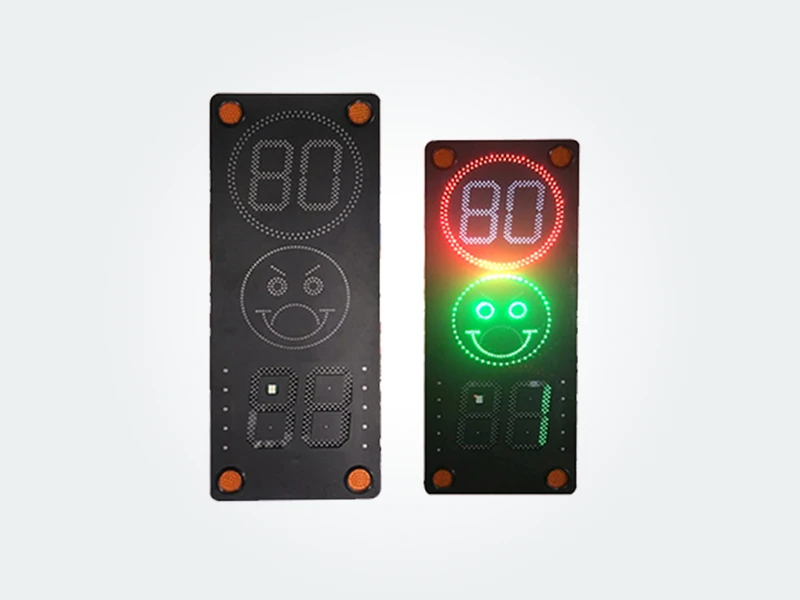
A radar speed sign (also referred to as a speed feedback display) is an electronic traffic device that uses microwave radar sensors to measure the speed of approaching vehicles.
Once a vehicle enters the detection range, the system:
- Measures real-time vehicle speed
- Compares it with preset speed thresholds
- Displays the speed instantly on an LED screen
- Optionally triggers warning messages when limits are exceeded
This immediate feedback loop helps drivers self-correct without external enforcement.
Core System Architecture
A typical radar speed feedback system includes four key components:
Radar Detection Module
- High-frequency radar sensor
- Accurate speed measurement at varying distances
- Stable performance under rain, fog, and low light conditions
LED Display Interface
- High-brightness numeric speed display
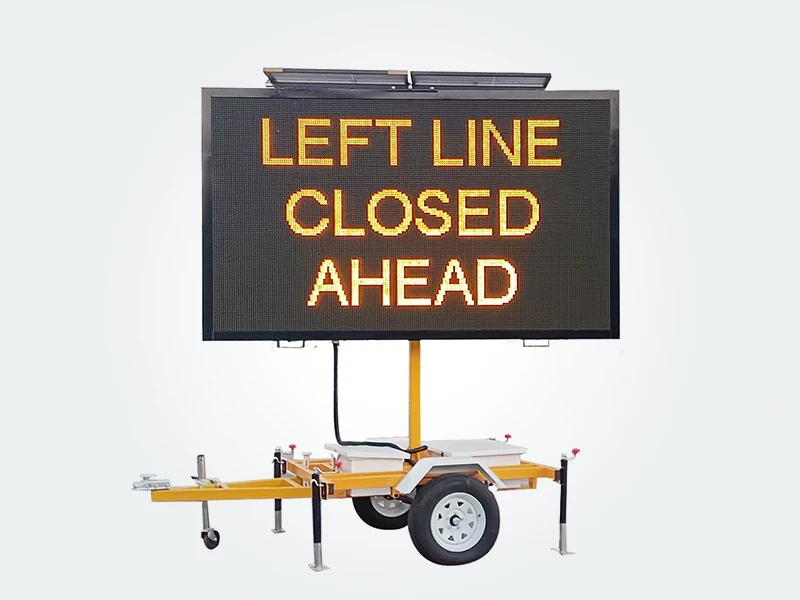
- Optional message scrolling capability
- Day and night visibility optimization
Power Supply System
Modern units commonly support:
- Solar-powered operation
- Battery storage backup
- Hybrid charging configurations
This enables deployment in locations without grid access.
Mounting Structure
Flexible installation options include:
- Pole-mounted permanent systems
- Portable tripod deployment
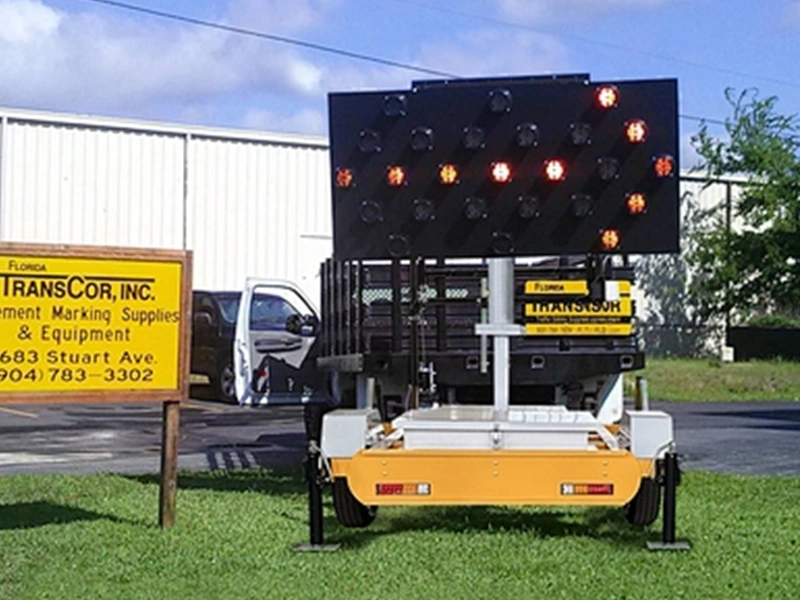
- Trailer-based mobile units for temporary projects
Where Radar Speed Signs Are Most Effective
School and Pedestrian Zones
In areas with high pedestrian activity, particularly near schools, radar speed signs help reinforce reduced speed limits by providing immediate visual feedback.
Typical functions include:
- Speed display reinforcement
- “Slow Down” alert activation
- Time-based speed limit changes
Road Construction and Maintenance Sites
Work zones often experience inconsistent driver awareness of temporary speed restrictions.
Radar feedback systems help:
- Improve compliance with reduced speed limits
- Protect road workers in active zones
- Reduce accident risk in shifting lane environments
Residential Streets and Community Roads
In residential environments, speeding is often caused by driver familiarity rather than intent.
Radar signs help by:
- Increasing driver awareness of actual speed
- Reinforcing community speed limits
- Reducing repeated speeding behavior over time
Industrial and Logistics Areas
Heavy vehicle traffic in industrial zones requires controlled movement speeds to reduce collision risks.
Radar systems contribute by:
- Managing mixed traffic flow (trucks + light vehicles)
- Improving yard and depot safety
- Supporting internal speed regulation policies
Operational Advantages of Radar Speed Feedback Systems
1. Behavioral Speed Reduction Without Enforcement
Unlike enforcement cameras, radar speed signs rely on psychological feedback mechanisms. Drivers naturally adjust speed when confronted with real-time visual feedback.
2. Flexible Deployment Options
Depending on project requirements, systems can be:
- Permanently installed for long-term traffic management
- Temporarily deployed for construction or events
- Relocated between multiple sites
3. Low Infrastructure Dependency
Most modern systems operate independently of grid power through:
- Solar charging systems
- Energy-efficient LED modules
- Battery storage units
This makes them suitable for remote or temporary installations.
4. Data Collection Capability (Advanced Models)
Some systems include traffic analytics functions such as:
- Vehicle speed distribution
- Peak traffic timing
- Compliance rate tracking
- Historical traffic pattern reporting
This data can support future traffic planning decisions.
5. Cost Efficiency Compared to Physical Traffic Calming
Compared to infrastructure-heavy solutions such as:
- Speed bumps
- Road narrowing
- Rumble strips
Radar speed signs require:
- Lower installation disruption
- Minimal maintenance
- No structural road modification
Design Variations in Modern Radar Speed Systems
Depending on application requirements, systems may vary in:
Display Functionality
- Speed-only display units
- Speed + warning message systems
- Programmable multi-message boards
Power Configuration
- Solar-only systems
- Battery-only portable units
- Hybrid power setups
Mobility Design
- Fixed pole-mounted systems
- Portable trailer-mounted systems
- Quick-deploy temporary stands
Role in Modern Traffic Safety Strategy
Radar speed feedback systems are increasingly viewed as part of a broader intelligent traffic calming strategy, rather than standalone devices.
They integrate well with:
- Variable Message Signs (VMS)
- Temporary traffic control systems
- Smart city traffic networks
- Road safety monitoring platforms
This integration allows authorities to combine behavioral influence with data-driven traffic management.
HANKUN Radar Speed Sign Solutions
HANKUN designs and manufactures traffic safety equipment for infrastructure and road management applications, including:
- Radar Speed Feedback Signs
- Solar-Powered Traffic Warning Systems
- Portable Traffic Display Units
- Variable Message Sign Systems
- Mobile Traffic Safety Equipment
Our systems are engineered for:
- Highway contractors
- Municipal traffic authorities
- Industrial site operators
- Road safety service providers
Each solution is designed with a focus on:
- Field reliability
- Energy efficiency
- Deployment flexibility
- Long-term operational stability
Request a Customized Traffic Speed Management Solution
If your project requires improved speed compliance and safer traffic flow, HANKUN can provide a tailored radar-based traffic feedback system based on:
- Deployment environment
- Traffic volume conditions
- Power availability
- Mobility requirements
- Data collection needs