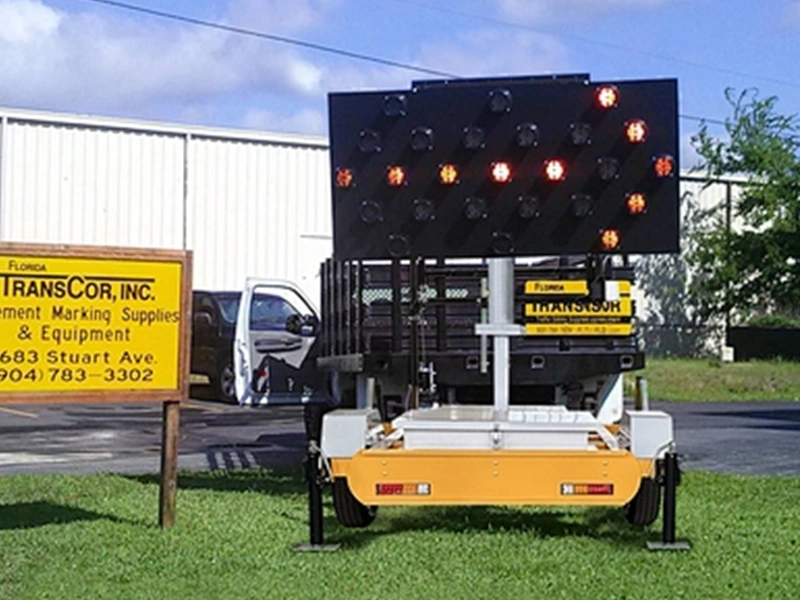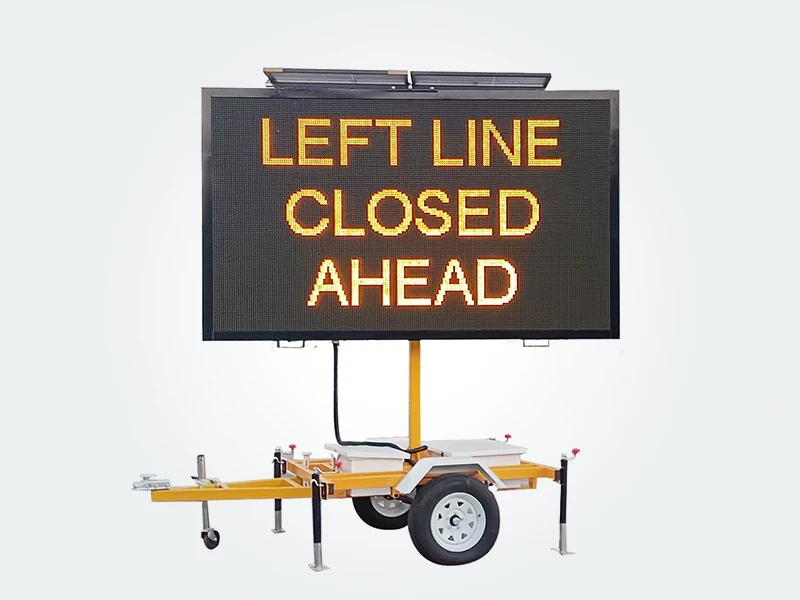
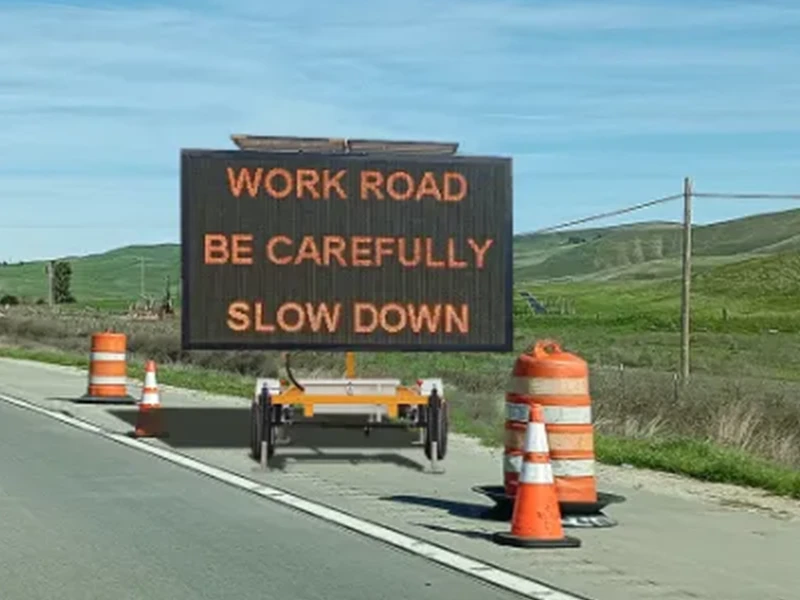
Traffic agencies, road contractors, utility companies, and event organizers all rely on Variable Message Signs (VMS) to improve road safety and communicate critical information to drivers.
However, selecting the right VMS solution is not simply a question of equipment cost. The real challenge is determining how traffic messaging technology fits into project duration, deployment frequency, compliance requirements, and operational efficiency.
For organizations managing transportation projects across the United States, Canada, Australia, and New Zealand, the most successful approach is often based on deployment strategy rather than procurement method alone.
Understanding Different VMS Usage Scenarios
Not all traffic management projects have the same operational demands.
Some projects require continuous roadside deployment for several years, while others only need temporary messaging support for a few weeks.
Understanding usage patterns is the first step toward selecting the most efficient VMS solution.
Long-Term Infrastructure Projects
Typical applications include:
- Highway reconstruction
- Bridge rehabilitation
- Permanent traffic management programs
- Municipal transportation networks
These projects generally prioritize:
- Equipment durability
- Regulatory compliance
- Low lifecycle costs
- System integration capability
Because equipment remains active for extended periods, long-term asset management becomes more important than initial acquisition cost.
Temporary Traffic Control Operations
Typical applications include:
- Road maintenance
- Utility repairs
- Event traffic management
- Emergency response activities
These projects focus on:
- Rapid deployment
- Operational flexibility
- Equipment availability
- Short-term budgeting
In these situations, scalability and deployment speed often have greater value than long-term ownership.
Evaluating Total Cost of VMS Operations
Many organizations focus only on equipment purchase price when comparing solutions.
However, the true operational cost of a Variable Message Sign includes multiple factors:
Equipment Investment
Initial hardware costs vary depending on:
- Display size
- Pixel configuration
- Communication systems
- Solar power integration
- Trailer specifications
Maintenance Requirements
Over time, maintenance may include:
- LED module replacement
- Battery servicing
- Software updates
- Communication system repairs
Reliable industrial-grade equipment can significantly reduce maintenance expenses throughout its service life.
Transportation and Deployment
For mobile VMS systems, logistics costs can represent a significant portion of project expenses.
Factors include:
- Site accessibility
- Installation labor
- Transportation distance
- Equipment mobilization frequency
Solutions designed for rapid setup can help reduce operational overhead.
Compliance Considerations Across Different Markets
Traffic management regulations differ between regions, making compliance a critical factor in equipment selection.
United States
Transportation authorities typically require:
- DOT-compliant traffic equipment
- High-visibility displays
- Approved trailer configurations
Canada
Many projects must address:
- Extreme winter temperatures
- Snow and ice exposure
- Long-term outdoor operation
Australia
Remote project locations often increase demand for:
- Solar-powered VMS systems
- Remote monitoring functions
- Low-maintenance equipment
New Zealand
Organizations frequently require flexible deployment models that support a combination of short-term and long-term traffic management needs.
Selecting equipment that aligns with local regulatory requirements helps minimize project delays and approval challenges.
The Growing Demand for Smart VMS Technology
Modern traffic management increasingly depends on intelligent communication systems.
Today’s advanced Variable Message Signs may include:
- Cloud-based management platforms
- Wireless message updates
- GPS tracking
- Remote diagnostics
- Fleet monitoring capabilities
These features help operators reduce downtime while improving traffic communication efficiency.
For large-scale deployments, centralized management can significantly improve operational control.
Solar-Powered VMS: Reducing Field Operating Costs
Many transportation organizations are adopting Solar Powered VMS systems to improve deployment flexibility.
Benefits include:
- Reduced dependence on grid power
- Lower fuel consumption
- Easier deployment in remote areas
- Improved environmental sustainability
Solar-powered systems are particularly effective for:
- Highway construction projects
- Rural traffic control
- Emergency response operations
- Long-duration work zones
Building a Scalable VMS Program
Organizations managing multiple projects often benefit from a scalable traffic management strategy.
A balanced equipment portfolio may include:
Dedicated Long-Term Assets
Used for:
- Permanent traffic programs
- Frequently recurring projects
- High-utilization operations
Flexible Mobile Resources
Used for:
- Seasonal projects
- Emergency deployments
- Temporary traffic control activities
This hybrid approach allows agencies and contractors to optimize resource utilization while maintaining operational flexibility.
HANKUN Traffic Management Solutions
HANKUN provides a comprehensive range of traffic safety equipment designed for diverse project environments worldwide.
Our solutions include:
- Variable Message Signs (VMS)
- Portable VMS Trailers
- Solar Powered VMS Systems
- Arrow Boards
- Radar Speed Signs
- Intelligent Traffic Management Equipment
Whether your project requires long-term infrastructure support, temporary traffic control, or emergency deployment capability, our engineering team can recommend a solution aligned with your operational objectives and local compliance requirements.
Request a Customized VMS Deployment Plan
Every traffic project has unique requirements.
Contact HANKUN to discuss:
- Portable VMS selection
- Solar-powered traffic solutions
- Fleet deployment strategies
- Compliance requirements
- OEM and custom manufacturing options
Our team will help you build a traffic communication solution that balances performance, flexibility, and long-term value.